
The post How to Prepare Your Apartment for Winter: Simple Tips for Cold Weather Comfort appeared first on Goldmark Property Management Blog.
]]>
Are you prepared for winter? We’ve put together this list of winter apartment tips to help keep your apartment warm and free from disasters! By following a few simple apartment maintenance tips, you can ensure your space stays warm and cozy while avoiding common issues such as high heating bills and potential water damage.
1. Dust off heat registers & vents for better air quality.
Before turning on the heat, take time to dust off your heat registers and vents. This simple task not only helps prevent the unpleasant smell of burning dust but also improves the indoor air quality in your home. Regularly cleaning these areas ensures that your heating system works efficiently, keeping your apartment warm and comfortable during the cold winter months. A quick wipe-down can make a big difference in the air quality of your apartment home.

Watch this video for some quick and easy cleaning tips!
2. Move furniture away from baseboard heaters.
To keep your apartment heating system running efficiently, make sure to keep baseboard heaters and vents clear of furniture, curtains, and other obstructions. This allows warm air to circulate freely and helps your apartment heat evenly. You can also set your ceiling fans to a low setting to help circulate warm air throughout the room. By distributing heat more effectively, your apartment will warm up faster and stay cozy longer, without needing to increase the thermostat. If your heater seems too hot even at lower settings, make sure to call your apartment office for maintenance.
3. Use ceiling fans to circulate warm air.
A simple trick to make your apartment feel warmer in the winter is to switch your ceiling fan’s rotation. Setting your fan to rotate clockwise on a low setting, helps push warm air that rises to the ceiling back down into the living space. This circulates the heat more efficiently throughout the room, making you feel warmer without needing to turn up the thermostat. Using ceiling fans in this way can help reduce energy consumption and lower heating costs, all while keeping your apartment cozy. Remember to check that your fan is clean and well-maintained for optimal performance.
4. Cover your air conditioner with an insulated cover.
As the weather cools down, be sure to cover your wall air conditioner with the indoor insulated cover provided by your apartment office. Installing the cover as soon as temperatures drop helps block cold air from sneaking in through the AC unit, ensuring your apartment stays warm and energy-efficient. Without the cover, drafts can enter your space, making your heating system work harder to maintain a comfortable temperature. If you don’t have an AC cover or need assistance installing it, reach out to your apartment office for help.
These simple steps will not only help you stay warm but will also ensure your apartment is well-maintained for the season ahead. Check out more tips on staying warm when Winter comes here! Need help preparing your apartment for winter? Contact your apartment office for assistance!
The post How to Prepare Your Apartment for Winter: Simple Tips for Cold Weather Comfort appeared first on Goldmark Property Management Blog.
]]>The post 7 Tips for hosting guests in a small apartment space appeared first on Goldmark Property Management Blog.
]]>
Have you been wanting to invite your friends and family over to your apartment, but are afraid that your space is too small? No worries! There are a few things you can do to make your cozy apartment space accessible and ready for your get together.
Use Multipurpose Furniture!
Coffee tables with built in storage help declutter your living area and a sofa bed can help open up a perfect space for any guest that needs to spend the night.
Rearrange your Furniture
Sometimes all it takes is a little creativity! Shuffling your furniture to utilize your space will help make your apartment feel larger and give your guests more room to move around.
Keep it Neat and Clean
Put away any unnecessary items and keep your space clean. The smaller the space, the quicker clutter can pile up. You can even move some things into your bedroom since your guests will likely be spending most if not all their time in your main living space.
Create an Ambiance
Use lights like LED candles or string lights to make the space feel more inviting. You don’t need to hide the face that the space is small. Lean into it and use these lights to make your space feel cozy for your guests.
Play Games
Board games, card games, and video games are a great way to entertain your guests in a small space. These kinds of activities don’t take up a lot of room and require you to be closer together in order to play.
Choose Food Wisely
With limit seating, you’ll probably have most of your guests seated on the couch for dinner. A nice steak might sound great, but foods that require multiple utensils can be a challenge when there’s no table to be seated at. Bowls of chili, sandwiches, pizza, or pasta are great for eating one handed.
Stay Cool
Many bodies in a small space can make it feel hotter than normal in your space. Keep some fans on and be sure to let your A/C unit cool your apartment down earlier in the day so it’s not playing catch up at the last minute. If you have a ceiling fan, be sure to make sure it’s rotating in the right direction depending on the season.
Hosting guests in a small apartment space may be intimidating at first, but these reliable tips will give you the confidence to host a worry-free gathering in your space!
Are you looking to rent? Check out our available apartments!
The post 7 Tips for hosting guests in a small apartment space appeared first on Goldmark Property Management Blog.
]]>The post Tips for Surviving your Winter Move appeared first on Goldmark Property Management Blog.
]]>
Winter weather can present many challenges and can even make a painful process like moving even more of a hassle. The frigid cold temperatures, wet snow, and slippery ice can add additional hazards to your moving experience.
Luckily, there are a few things you can do to minimize those risks and challenges. With a little bit of planning, these tips can help make your moving experience much more manageable.
- Pack Efficiently
The last thing you want to do is step into the bone chilling cold more than you need to. If you pack efficiently, you can lessen the amount of times you go in and out of your apartment. Not only that, but this will help make the unpacking process go smoother as well as you won’t have as many boxes to deal with in your new home.
- Protect your Belongings from Water
If you’re moving on a day where the forecast calls for snow, it’s a good idea to cover your boxes and furniture. If your stuff gets too wet, it could cause permanent damage. Use tarps or blankets to help keep the snow away from your belongings so they can make it to their final destination unharmed.
- Insulate your Items
Be extra generous with the bubble wrap in the Winter! Plastic totes, electronics, and glass are just a handful of things that will break much easier on impact in the cold weather. Dishes and glasses are not fond of changes in temperature. Extra insulation for your fragile dishes, cups and plates will help keep them from cracking.
- Protect your Floors
While moving your stuff into your new home, you’re bound to bring in slush, snow, ice, and mud to your freshly cleaned floors. To avoid extensive clean up once you get settled in, try putting down tarps over wood and tile floors and floor mats by entrances. For carpeting, throw some cardboard sheets on top to protect it.
- Create a Backup Plan
Severe weather can happen at any time. In case of a winter storm, be sure to have a backup plan in case you can’t complete your move on your chosen day. Pack up your boxes a day early to get it done before the storm rolls in or change your move to another date. Be flexible and remember – a couple of days will not ruin your moving process.
Once you’re all moved in, check out these winter tips to help save you money and keep you warm throughout the winter season!
The post Tips for Surviving your Winter Move appeared first on Goldmark Property Management Blog.
]]>The post Making Your Apartment feel like Home: Budget Friendly Design Tips appeared first on Goldmark Property Management Blog.
]]>
MAKING YOUR APARTMENT FEEL LIKE HOME: BUDGET FRIENDLY DESIGN TIPS
January 23, 2023
Whether you’re a first-time renter or have been renting for years, it can be a challenge to decorate your apartment on a budget in order to make it feel like home. Sometimes, all it takes is a few minor upgrades to make to your apartment home to make your living space feel less temporary.
Here are a few simple things you can do to help add your own personal style to your apartment home while still being friendly to your wallet.
Before you begin: Check with your apartment office and your lease to make sure any major changes are allowed under your lease agreement.
- Clean your Apartment Regularly
Set a time each week to give your apartment a deep clean, along with a daily goal of keeping up with laundry and dishes. In smaller spaces, dirty laundry and dirty dishes stack up fast and can cause a bad smell to fill your apartment. Just 10 minutes a day can help keep you caught up on your laundry and dishes while 1-2 hours will help give you the time needed to deep clean your apartment.
- Decorate Those Walls!
Worried about damaging walls while decorating? Thankfully, there are plenty of alternatives to help you hang up your favorite decorations or artwork without damaging your walls. Command strips and monkey hooks will allow you to easily hang and remove pictures with ease, and most importantly, no damage.
- Keep Colors Light and Let in Natural Light
Heavy curtains and drapes can give your apartment a small, dark, and gloomy feel. For centuries, designers and architects have known that letting in the natural light makes your apartment feel more spacious. Mix that with light colored decorations, and you’ve got more natural light reflecting across your space.
- Stay Organized
Keeping your apartment organized can help maximize the valuable space you have in your apartment. A good way to keep your things organized is by visiting the dollar store. You can find bins, boxes, and storage containers that will help you reduce your clutter without draining your bank account.
- Don’t Just Buy Bargains
Although you may be tempted to buy whatever is on sale, try to make a design plan and stick to it. Otherwise, without a plan, you may just end up buying things you don’t need and burying them in the back of your closet. When you have a plan, you can set your budget and stay within your means while also getting the items you want.
Looking to rent? Try out some of these design tips by checking out our available apartments.
Want to show off your design tips? Share them with us by tagging @GoldmarkPropertyManagement on Facebook!
The post Making Your Apartment feel like Home: Budget Friendly Design Tips appeared first on Goldmark Property Management Blog.
]]>The post Cleaning Tips for an Apartment appeared first on Goldmark Property Management Blog.
]]>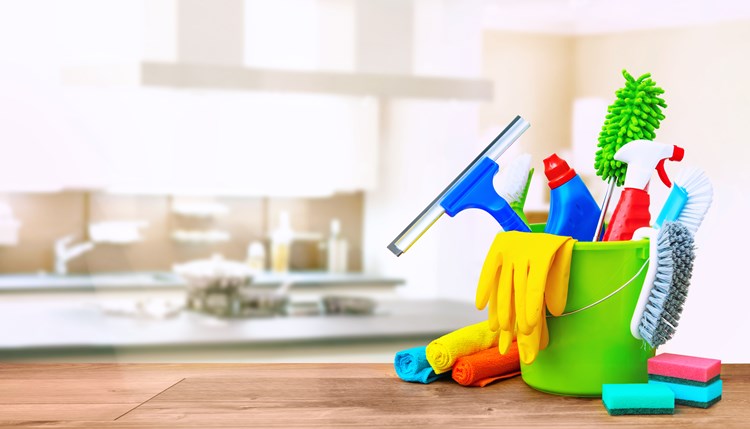
Cleaning can be overwhelming. Whether you're tackling your daily chores or taking on a deep clean, cleaning can be tiresome and quickly lead to a loss of motivation. To make things easier, we've complied a complete list of things to take care of to achieve a complete clean.
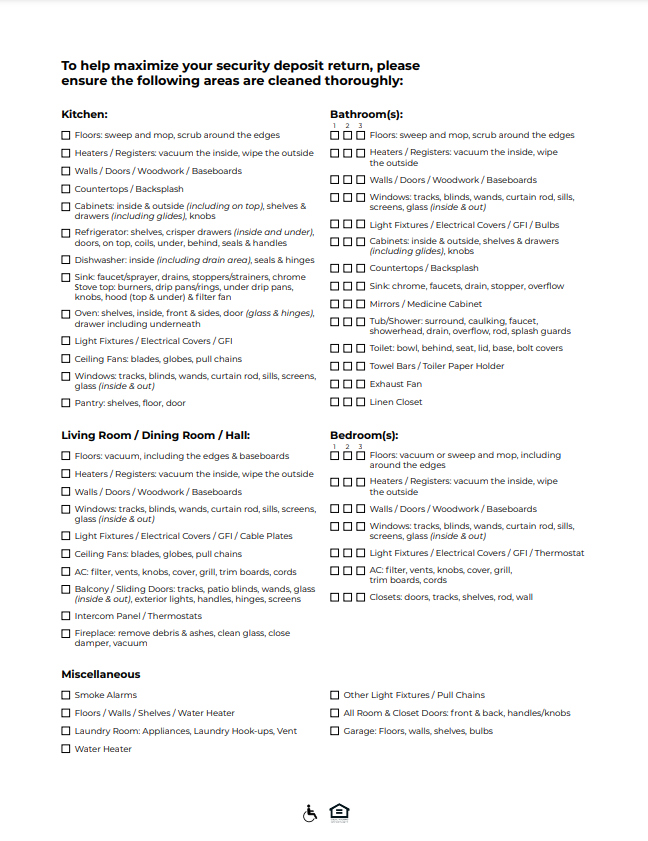
Cleaning your apartment thoroughly for move-out not only decreases the chance of some of your deposit being used to hire a cleaning service, but it also keeps you from leaving items behind. Download and print our Apartment Move Out Checklist to be prepared for your apartment move-out inspection.
In addition to cleaning, there are a few other items you'll need to take care of when moving out including changing your address, scheduling an end to your utilities, and more. View our 8 Things to Do Before Moving Out of Your Apartment article for further information.
The post Cleaning Tips for an Apartment appeared first on Goldmark Property Management Blog.
]]>The post Which Direction should my ceiling fan turn in the Summer? appeared first on Goldmark Property Management Blog.
]]>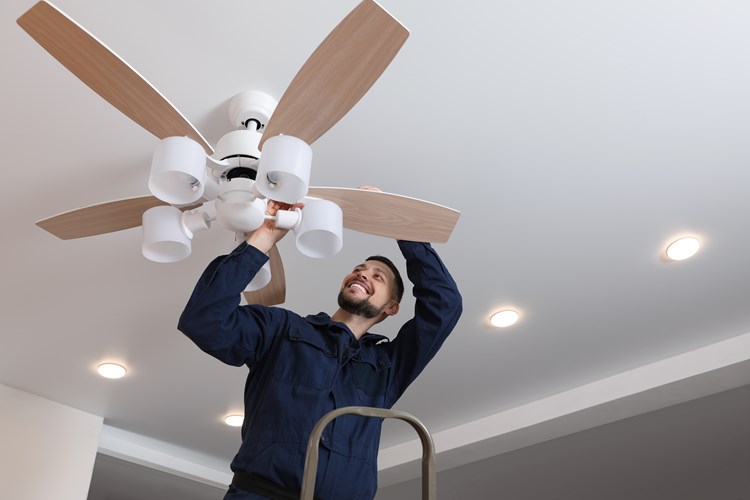
Ceiling fans are a great home appliance all year round, but especially during the summer.
Changing the direction of your ceiling fan in the summer and the winter not only makes life more comfortable, but it also allows you to adjust the thermostat and give your AC or heating unit a much needed break. Your wallet will also get some much needed rest.
Here’s everything you need to know about changing your ceiling fan direction and how it can help you save!
WHICH DIRECTION SHOULD IT SPIN?
Most ceiling fans have a “clockwise” setting and a “counterclockwise” setting, each appropriate in a different season.
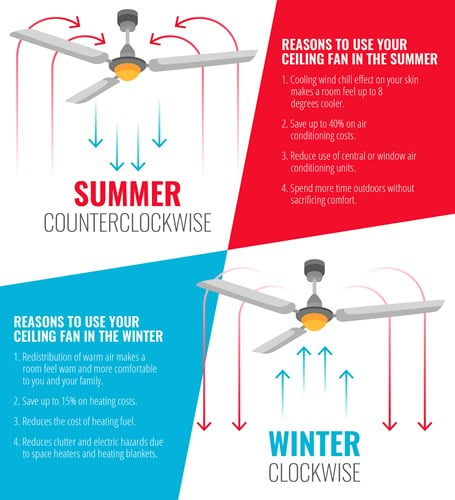
Ceiling fan blades rotating in a counterclockwise direction create cool downward airflow. This is the optimal direction during summer months when you want to feel cooler.
Fan blades rotating in the clockwise direction move warm air around the room which would normally rise to the ceiling away from people and pets. This movement of warm air will make the room feel warmer and will help make your home more efficient in the cooler months.
SETTING YOUR FAN'S DIRECTION
Stand beneath your fan and turn it on. If you immediately feel a breeze from your fan, then you know it’s on the “summer” setting or the counterclockwise direction.
If your fan is spinning in the clockwise direction, turn the fan off (and wait for it to stop spinning). Climb up near the base of the fan, and look for a little button or switch that sets the fan to run in the opposite direction.
Tip: Use removable tape to label either side of the switch “summer” or “winter” so you don’t have to think about it each season!
If you do not have a switch setting, it is possible you have a pull cord that will change the direction of your ceiling fan.
To recap, your ceiling fan should be spinning in the counterclockwise direction during summer months.
To prepare your home for other seasonal changes, read, "How to Keep Your Apartment Warm and Costs Low During the Winter" and "7 Easy Tips to Maximize Your AC This Summer!".
The post Which Direction should my ceiling fan turn in the Summer? appeared first on Goldmark Property Management Blog.
]]>The post How to Reduce intolerable Dog Barking at Home appeared first on Goldmark Property Management Blog.
]]>
If your dog excessively barks at people passing by or noises outside, this disturbance can aggravate you and your neighbors. To improve your dog’s behavior, we reached out to the professional dog trainers at Vigilant K9 to learn more about their tips and tricks to reduce this intolerable noise. Kayleigh Omang from Vigilant K9 is a dog trainer and a certified AKC Evaluator. She shared her expertise on how to help stop or prevent excessive barking in dogs. Check out our interview with her below.
What are common reasons dogs excessively bark?
Dogs excessively bark for a few reasons. Usually, this is due to under stimulation. They haven't been given an appropriate outlet and they are barking out of boredom. I like to say a fulfilled dog is a tired dog. It could also be that you just haven't told your dog that it's inappropriate to bark. Dogs like black and white rules, so making sure you're correcting your dog for barking. Rewarding your dog for not barking is a big part of it, too!
Is all barking considered bad?
I'd say it depends on who you ask. Over arousal/excitement can cause barking, and some breeds are noisier than others. I like to give my dogs a time and place to bark because I often encourage that high drive in my own dog and want her to be excited about the work she's doing. However, it's only allowed when she is training or working. For example, the kennel or in the house is not a place to bark and it's never tolerated or allowed in my house.
How do I know if my dog has a barking problem? What are some common signs?
If it bothers you or you’ve received complaints, then it's probably a problem! You set your own rules for your dog, not the other way around. If you're bothered by it, contact a trainer to help you curb this behavior.
What does the training process look like to reduce the amount my dog barks? What is your number one tip?
It depends on the dog. Some dogs do well with a stern “no” verbal correction when they are barking. Others need a more slow and steady process of rewarding for being calm and slowly adding in more and more distractions they would normally bark at.
What would you recommend as a reward for dogs during the training process?
Whatever your dog works for! Some love their kibble, some need a better training treat. Others love toys and some will train for praise! We encourage you to always reward your dog for their hard work with whatever they find valuable.
What type of environment is best for this type of training?
All environments! A well-socialized and well-trained dog should be ready to train in all scenarios. If you're still working up to that level, it's good to start in home, then in a controlled environment, then in a park, and finally a dog-friendly store.
How long does this training typically take?
It's on a case-by-case basis, since all dogs are very different.
Do you have any advice for owners who live in an apartment and are struggling with this noise issue?
Hire a trainer. They can help troubleshoot why your dog is barking and what steps are necessary to get to the end goal. Because of this, if your dog barks excessively, it's important to remember that hiring a trainer won't be a quick fix. If you're getting noise complaints, we can't guarantee that will stop after a few weeks of training. It takes 4-6 months of constancy and routine to create a learned behavior. So, if your dog has learned to bark in certain situations and has been allowed that for the last year, then changing that learned behavior to a different one will take time.
My dog no longer barks while in our home. What should I do if my dog barks at strangers or other dogs in public?
Work with what we call zones. This means that you want to work away from distractions and move in closer. I like to compare zones to a stoplight. A green zone means the distraction is far enough away that your dog doesn't pay much attention. A yellow zone is where the "training" happens. You might get a woof here and there, but you are able to control your dog and recapture their attention. Stay out of a red zone, that means you're too close to the distraction and you've lost all your dog's focus and need to move out of that zone in order to gain him back.
Vigilant K9 is located in Fargo, ND and is owned by Head Trainer, Allison Case. Allison graduated from Starmark School for Dog Trainers in 2013 and started her business soon after. She owns an 8-year-old Malinois/GSD mix named Niko, who is a certified Human Remains Detection Dog for Valley Water Rescue. Allison and Niko recently competed together on A&E America’s Top Dog!
Interested in some training for your pup? Vigilant K9 specializes in training for basic and advanced obedience, scent discrimination, and puppy foundations. You can learn more about them on their website: https://www.vigilantk9-fm.com/
The post How to Reduce intolerable Dog Barking at Home appeared first on Goldmark Property Management Blog.
]]>The post Prepare for Your Pet appeared first on Goldmark Property Management Blog.
]]>
Preparing for a puppy or kitten is a must and caring for them is no walk in the park! Making sure you have the right items to get you through potty training, teething, and teaching them tricks is important. Check out the following items that are great to have before bringing a pet into your home.
- A crate or kennel – blanket or dog bed to go inside of it
- Food and water bowls
- Dog food – talk to your veterinarian about what food they think is best for your pup
- Small dog treats
- Collar and ID tag
- Harness and leash
- Toys – Chew toys, plush toys, and fetching/active toys
- Dog toothpaste
- Dog shampoo
- Brush or comb for grooming
- Cleaning supplies – urine stain remover, vacuum for shedding dogs
- Dog waste bags
- Potty training pads
- Food and water bowls
- Cat food – Talk to your veterinarian about what food they think is best for your kitten
- Treats
- Cat bed
- Carrier
- Litter box and litter
- Cat scratcher
- Toys – interactive toys and Catnip toys
- Cat tree or perch
- Collar and ID tag
- Cleaning supplies – urine cleaners, odor eliminators
Be sure to puppy/kitten proof your home! Keep your pet out of areas that might contain hazardous materials such as chemicals under the kitchen or bathroom sink, or things that could lead to an unsafe situation such as a stair case or wires behind the TV. Baby gates are great to use to block off areas that you don't want your pet to enter.
The post Prepare for Your Pet appeared first on Goldmark Property Management Blog.
]]>The post Roommate Agreement appeared first on Goldmark Property Management Blog.
]]>
A roommate agreement is a contract developed by you and your roommate(s) that outlines how you will approach different situations. All parties should sign it before moving in and therefore agree to follow it. If one roommate suggests a change later on, all individuals should discuss the requested edit and decide whether they would like to update the existing contract. If the suggestion is accepted, the contract should be reworked and signed by all roommates.
DO I REALLY NEED ONE?
The answer is YES! Especially if you want a pleasant experience with your roommate(s). It will help to prevent conflict and be a nonbiased source that you and your roommate(s) can look back at if conflict does arise.
WHAT SHOULD BE INCLUDED?
There are many different topics that should be addressed in your roommate agreement. Below are seven crucial points you and your roommate(s) should consider discussing before committing to living with one another.

One of the first things you should look at is your schedule! When are you busy and when do you want to sleep? When is your roommate(s) busy and when do they want to sleep? If you work during the day and your roommate(s) works at night, you could find that disturbing each other’s sleep schedule becomes more frequent than either of you would like.
Pets
Does your potential roommate(s) have a pet or want to get one in the future? Although this can be an exciting addition to your apartment, it could also potentially cause issues down the line. Are you allergic to any animals or simply just prefer to live without them? Are you prepared to take care of the pet when your roommate(s) is not home?
Groceries

You go to the fridge expecting to eat those strawberries you just bought… but now they are gone! Where did they go? The most likely answer is your roommate(s). It is important to discuss the expectations that you and your roommate(s) have for food. Will you both buy and eat only your own groceries? Or will you go out and shop together, split the cost, and both eat the groceries?
Rent
How will rent be paid each month? Do you plan to alternate and pay every other month? Or will you split the cost every month. If your roommate(s) cannot afford to pay rent one month, how will you deal with this? Will they have to move out or will they just pay you back over time? Make sure to come to an agreement on how and when rent will be paid.
Cleaning
How often will you clean the apartment and whose job is it? Nothing is more frustrating than constantly finding yourself cleaning up after your roommate(s). Find out ahead of time if your roommate(s) likes a clean space or if they tend to live in a disorganized fashion. Everyone has a different version of what they deem to be clean and dirty. Regardless of what your roommate(s) tolerates, creating a chore chart that outlines who is responsible for what task and how often it needs to be done can keep both you and your roommate(s) on top of the cleaning efforts. You can be creative when assigning chores to each person. Check out these templates to find what chore chart works best for you and your roommate(s)!
Guests

Having people over is fun until they overstay their welcome. Within the agreement, be sure to include when guests are allowed to be brought over and when the apartment is only for you and your roommate(s). Examples of guests include family, friends, or significant others.
Privacy
Although you have agreed to live with someone, personal privacy still needs to exist. Create boundaries in your agreement and state what spaces are and are not allowed to be entered in. Simply naming bedrooms as off limits is often a straightforward way to maintain privacy.
Deciding whether or not to live with a roommate is a big decision and living with someone else isn't for everyone. If you're not sure a roommate is right for you, check out our Roommate Pros and Cons article.
The post Roommate Agreement appeared first on Goldmark Property Management Blog.
]]>The post How to Maintain the Drains in Your Apartment appeared first on Goldmark Property Management Blog.
]]>
Do you hate the smell that your kitchen sink disposal has? Are you finding water sitting in your bathroom sink? Are you standing in a puddle in your bathtub? If the answer is yes to any of these, keep reading to fix it! If a drain gives off an unwanted odor, you may want to consider cleaning it and checking for clogs.

WHAT CAN'T BE PUT DOWN DRAINS?
BATHROOM: Hair, hygiene products, cotton swabs, floss, nail clippings, flushable wipes, kitty litter
KITCHEN/DISPOSAL: Grease, oil, butter, fat, pasta, stringy vegetables, eggshells, coffee grounds

IS THERE ANYTHING I CAN DO TO CLEAR MY DRAIN BEFORE CONTACTING MAINTENANCE?
Yes! There are several homemade drain cleaners you can use to try and clear the blockage. Please only use the following cleaners. Chemical drain cleaners can damage your pipes and cause immense damage to our plumbing systems.
BATHROOM: Vinegar
KITCHEN/DISPOSAL: Baking soda & vinegar, hot running water & Grease Lightning Dish Liquid, and vinegar & water ice cubes to grind in the disposal

DO NOT USE CHEMICAL DRAIN CLEANERS. If the technician has to use a drain snake or remove a section of pipe to clear the clog, they are at risk of getting a chemical burn from these cleaners. Some cleaners can react with aluminum and give off an unhealthy gas, others can solidify inside the pipes and cannot be removed. If mixed with other household cleaners, the combined liquid can burst the drain and damage your pipes.
HOW DO I PREVENT FUTURE DRAIN CLOGS?
1. NEVER pour grease down your drain.
Grease is the number one cause of clogged drains. Even when the grease is in liquid form, it will eventually harden over time and will clog your drain and can cause sewer clogs too. Be sure to wipe down the greasy dishes with a paper towel before rinsing them with hot soapy water.
2. Use drain screens
These allow water to pass but blocks out hair, food, and other larger particles. These are ideal for kitchen sinks and bathtubs.
3. Run a handful of baking soda and hot water through your drains
This helps the oils in food keep running down the drain rather than building up. This mixture also prevents odors from developing.
4. Only two things should go town the toilet
Human waste and toilet paper.
5. Perform regular maintenance on drains and stoppers
Pouring a few pots of boiling water down your sink once a week and cleaning your stoppers can help maintain the flow of your drains.
WHAT DOES THE DRAIN CLEANING PROCESS LOOK LIKE FOR A MAINTENANCE TECH?
When drains are clogged, Maintenance Techs take out the pipes or send a "drain snake" down to clear the blockage. It can take multiple attempts to clean whatever is creating a clog.
Drain cleanings are done by our Maintenance Team. If water starts draining slowly, let us know. Do not wait until water is overflowing to request maintenance. Overflowing water can lead to mold, damage, and flooding.

The post How to Maintain the Drains in Your Apartment appeared first on Goldmark Property Management Blog.
]]>